
Advanced Diploma in Christian Ministry & Theological Studies
Program at a Glance
The Advanced Diploma in Christian Ministry & Theological Studies is a rigorous 4 Semester program designed to equip students with both intellectual depth and practical ministry competence. Integrating biblical scholarship, theological reflection, historical awareness, and applied pastoral skills, this program provides a holistic formation for emerging leaders, pastors, and theological educators.
Core Features
- Comprehensive Curriculum: Twelve modules covering biblical languages, theology, church history, geography, administration, spiritual formation, apologetics, comparative religion, and applied ministry.
- Balanced Approach: Academic rigor combined with practical ministry engagement through field projects and contextual theological reflection.
- Global Perspective: Exploration of world religions, missional hermeneutics, and the impact of Bible translations across cultures.
- Leadership Formation: Emphasis on Christ‑like character, ethical decision‑making, and stewardship in local church administration.
- Applied Theology: Real‑world ministry strategies, mission praxis, and apologetic engagement with contemporary worldviews.
Program Outcomes
Graduates of this diploma will be able to:
- Interpret Scripture with linguistic and exegetical precision.
- Engage critically with the major branches and traditions of Christian theology.
- Situate biblical events within their historical and geographical contexts.
- Lead and administer local churches with integrity and biblical order.
- Cultivate spiritual maturity and Christ‑like character in personal and communal life.
- Analyze the historical impact of Bible translations on global Christianity.
- Apply theological insights to mission projects and cross‑cultural ministry.
- Read Scripture through a missional lens, highlighting God’s redemptive purposes.
- Defend the Christian faith through apologetics and worldview analysis.
- Dialogue meaningfully with adherents of major world religions.
- Make biblically grounded ethical decisions in ministry and life.


Modules Offered
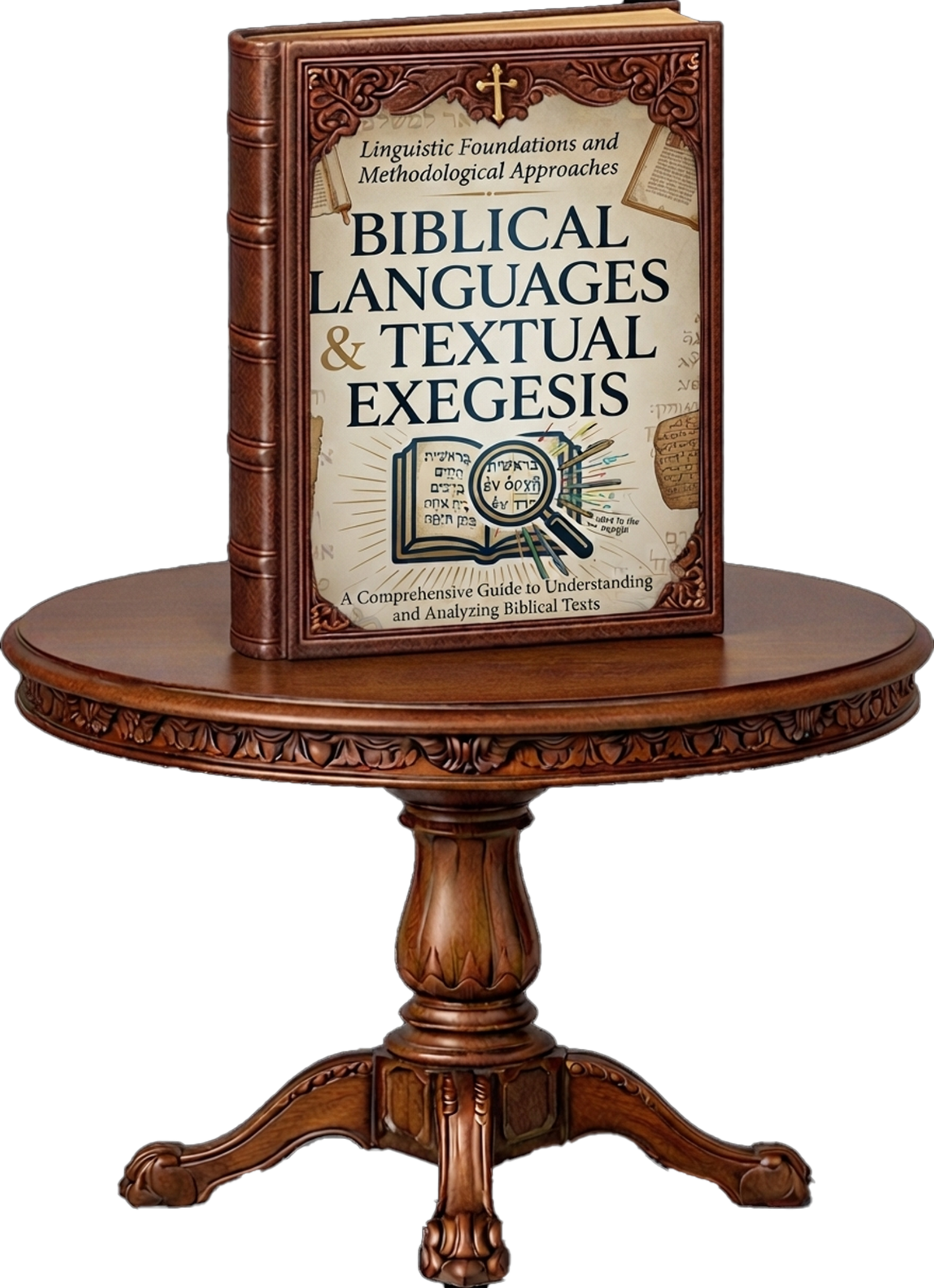


Biblical Languages & Textual Exegesis: Linguistic Foundations and Methodological Approaches
- Importance and Background of Biblical Languages
- Basic Grammar of Biblical Languages: Hebrew, Aramaic & Koine Greek
- Textual Criticism
- Lexicography and Word Studies
- Foundations and Methodology of Biblical Exegesis
- Exegesis and textual interpretation
Exploring Christian Theology: A Comprehensive Survey of Its Branches & Traditions
- Introduction to Christian Theology
- Sources of Theology
- Major Branches of Theology
- Doctrinal Disciplines
- Contemporary Perspectives
- Christian Theology in Dialogue
- Future of Theology
Biblical Geography: Land, History, and Spiritual Context
- The Ancient Near East: The Stage of the Bible on the World Map
- Major Geographical Regions in the Bible
- Historical and Strategic Cities, mountain, Rivers, Seas, and Lakes of the Bible
- Ancient Trade Routes and Highways in the Bible
- How Geography Shaped Biblical Events and Teachings
- Lessons of Biblical Geography in the Modern Context

Modules Offered



Church History
- Examines why church history is important to study
- The Early Church and the Roman Empire
- Patristic Fathers and the Ecumenical Councils
- Middle Ages and Roman Catholic Theology
- Martin Luther and the German Reformation
- The Swiss Reformation
- The English Reformation
Biblical Principles of Local Church Administration: Ordered Ministry and Divine Stewardship
- Biblical Models of Leadership and Authority
- The church leadership structure: Elders/Pastors, Deacons, and the general congregation
- Financial Stewardship and Accountability
- Conflict Resolution and Church Discipline
- Legal, Ethical, and Institutional Compliance
- Ministries, Programs, and Discipleship
- Unity & gospel outreach strategies
Spiritual Formation & Christ-like Character Development
- Defining spiritual formation and its true purpose
- Christ-likeness: The Ultimate Standard of Spirituality
- Transforming the Heart: Overcoming Sin and the Flesh
- The Fruit of the Spirit: Character Development in Daily Life
- Work of the Holy Spirit
- Prayer, meditation, fasting
- Building Christ-like maturity

Modules Offered


Bibles That Changed the World
- Reflects on the impact of the first five books of the Hebrew Bible --The Washington Pentateuch
- Discusses the influence of the Psalms --The Bodmer Psalms
- Surveys the discovery of the Dead Sea Scrolls and the community at Qumran
- Explores a fragment of John’s gospel, known as Papyrus 39
- The Latin Vulgate –consider the impact of Jerome’s translation of the Scriptures into Latin
Field Missions & Applied Theology: Theological Foundations and Real-World Ministry Strategies
- Biblical Missiology: The Heart of God and the Purpose of the Gospel
- Applied Theology: Merging Faith with Reality
- Mission theory & cross-cultural evangelism
- Field Selection and Strategic Planning
- Church Planting and Indigenous Models
- Holistic Ministry: Combining Word and Deed
- Spiritual Warfare and Field Challenges
- Cross-Cultural Leadership and Team Management
- Ensuring long-term ministry sustainability and regular debriefing
- Church planting & humanitarian projects
Missional Hermeneutics: Reading Scripture through God’s Redemptive Heart
- Scripture interpretation with missional focus
- Introduction and Necessity of Missional Hermeneutics
- God’s Mission from Creation to Eternity
- Redemptive narrative across Old & New Testament
- Culture, Contextualization, and the Timeless Truth of Scripture
- Practical Application of Missional Hermeneutics in Personal and Church Life
- Living a Missional Worldview through Scripture

Modules Offered


Foundations of Biblical Apologetics & Worldview Analysis
- Biblical Foundations and Necessity of Apologetics
- Methodological Approaches in Apologetics
- Christian worldview formation: Understanding Worldviews: What and Why They Matter
- Evaluating Secular and Contemporary Worldviews
- The origin of the universe and the Cosmological Argument
- Defending faith in modern contexts
- The Reliability of Scripture and the Historical Jesus
- The Problem of Evil, Suffering, and God's Goodness
- Science and Christian Faith: Conflict or Harmony?
- Ethics, Existentialism, and the Crisis of Human Dignity
- Defending Truth with Gentleness and Respect
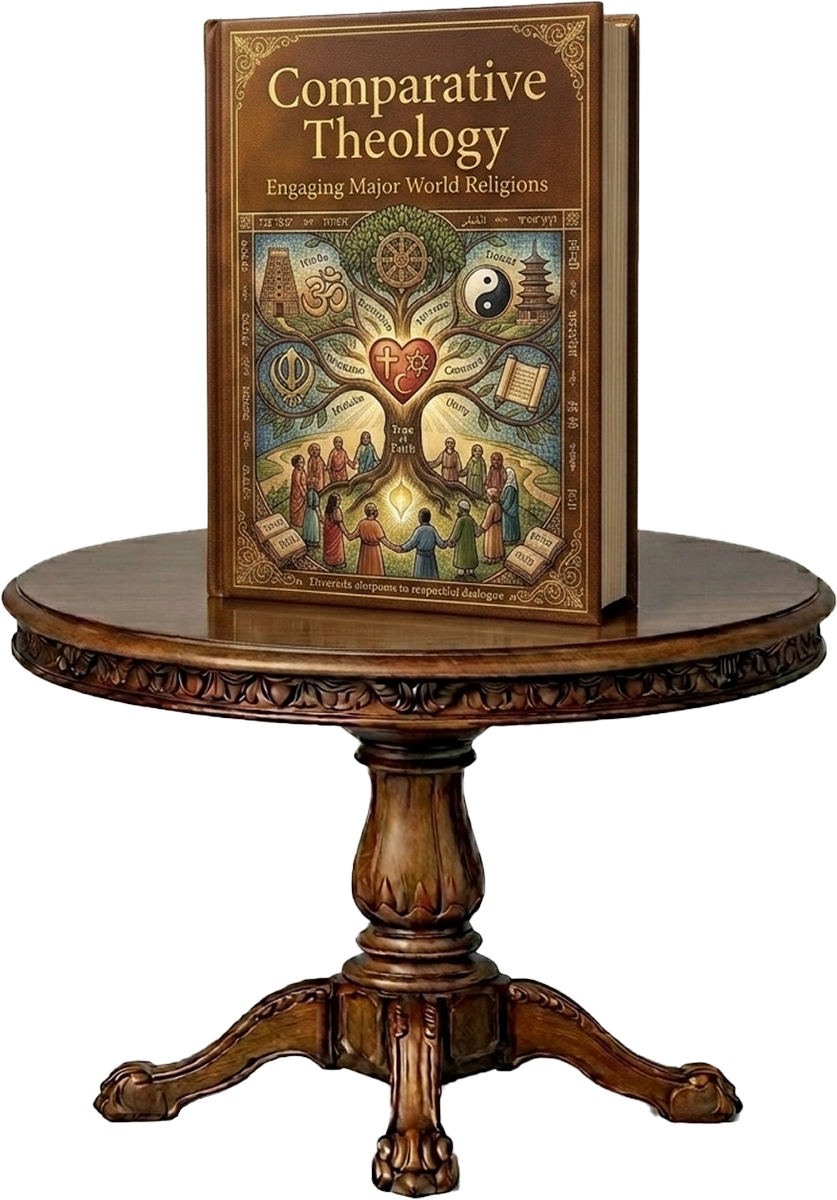
Comparative Theology: Engaging Major World Religions
- Introduction and Methodology of Comparative Theology
- Defining Religion, Typologies, and Religious Pluralism
- Judaism: Roots and Historical Connections
- Islam: Monotheism and Christian Engagement
- Hinduism: Brahman, Atman, and the Path to Moksha
- Buddhism: Suffering, Nirvana, and Ethics
- East Asian Religions: Confucianism and Daoism
- Jesus Christ and Soteriology across World Religions
- Interfaith Dialogue and Christian Witness
- Standing Firm in the Christian Faith within a Pluralistic World
Making Biblical Decisions
- Establishes a definition of Christian ethics
- Explores the authority of God and his Word in ethics.
- Explores the proper standards for ethical decisions by investigating the divine authorship and the attributes of Scripture.
- Examines the different ways the various parts and aspects of Scripture communicate God's norms to us.
- The Situational Perspective: Revelation and Situation
- The Situational Perspective: Pursuing Our Goal
- Identifies the major components of the ethical situation we encounter in the modern world
- The Existential Perspective: Being Good